
History of art made by women: a women artists timeline from prehistory to today
Art made by women has existed for as long as art itself. The handprints in Paleolithic caves, the medieval miniaturists, the Renaissance court painters, the 20th-century Mexican muralists: the history of art is full of women artists who created at the margins of official narratives.
This timeline traces more than 40,000 years of art history, recovering the names, the works and the regions that the canon left out. From Cueva de las Manos to the living muralists of Mexico City, each period includes up to five women artists, their contribution and a representative work.
Made by Museas, the feminist cultural map that turns this history into something you can walk through in your own city.
Why this timeline matters
For centuries, art history was taught as a succession of great men. Women appeared—when they appeared at all—as muses, models or wives. Rewriting this timeline is not a symbolic gesture: it is an act of restoring authorship, context and acknowledged debt.
Every name documented here signed a work, founded a workshop, ran a scriptorium or sustained an artistic practice for decades. Their pieces exist in museums, archives and catalogues. What was missing was placing them together, in order, with their dates and regions, so anyone can see them for what they are: an unbroken tradition that spans more than 40,000 years.
~40,000 a.C. – 3,000 a.C.
Prehistory: the first anonymous women artists
The first traces of art made by women bear no signature, but they do bear fingerprints.
On anonymous authorship
No names survive from the Paleolithic or early Neolithic. However, analysis of hand stencils in cave paintings such as Cueva de las Manos (Argentina) and El Castillo (Spain), carried out by archaeologist Dean Snow (Penn State, 2013), suggests that roughly 75% of the hands belonged to women. Female authorship of cave art is not a romantic hypothesis: it is a possibility backed by metric evidence.
From the anonymous handprints in caves we move to the Greco-Roman world, where for the first time writing preserves the names of women painters. Pliny the Elder recorded several of them, even though their works have been lost.
s. V a.C. – s. V d.C.
Classical Antiquity: women painters of Greece and Rome
Pliny the Elder, in his Natural History (1st century AD), recorded several women painters from Antiquity whose works are lost but whose names survived.
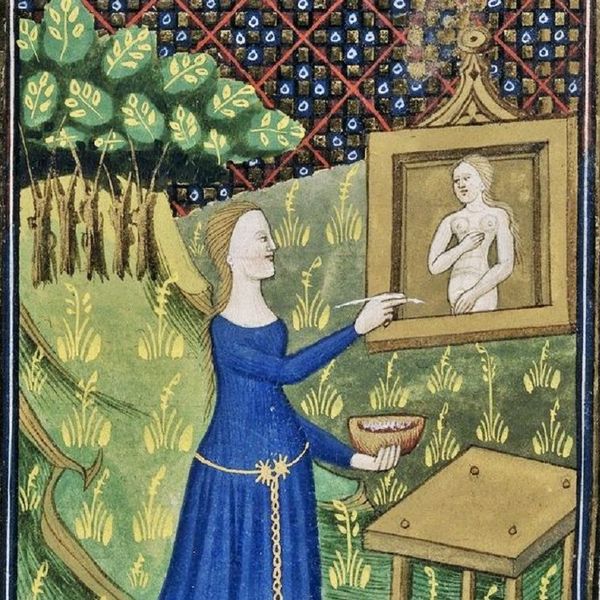
Timarete
(s. V a.C.)Greece
Daughter of painter Micon the Younger, cited by Pliny as the author of a panel of the goddess Diana at Ephesus.
Work: Diana of Ephesus
Source: Unknown mediaeval artist · Public domain · Wikimedia Commons
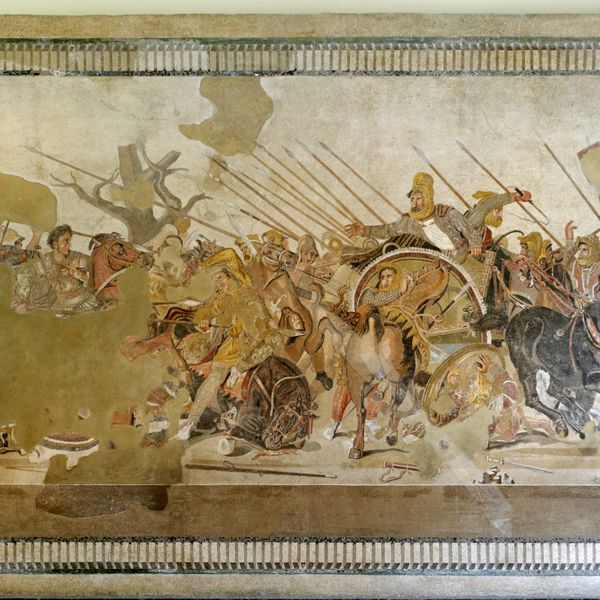
Helena de Egipto
(s. IV a.C.)Egypt / Hellenistic world
Painter cited by Ptolemy and Byzantine sources as the author of a painting of the Battle of Issus.
Work: Battle of Issus
Source: Unknown authorUnknown author · Public domain · Wikimedia Commons
Irene
(s. III a.C.)Greece
Painter mentioned by Pliny as the author of a portrait of the young Alcisthene.
Work: Portrait of Alcisthene
Iaia de Cízico
(c. 100 a.C.)Cyzicus (modern Turkey) and Rome
Worked in Rome as a portraitist in ivory. Pliny describes her as faster and better paid than her male peers.
Work: Self-portrait painted using a mirror
Calipso
(s. I a.C.)Greco-Roman world
Cited by Pliny among the notable women painters of Antiquity.
Work: Portraits of Theodorus and of the juggler Alcisthenes (mentioned by Pliny)


After the fall of the Roman Empire, European monasteries became one of the few spaces where women could produce art in a sustained way. Nun illuminators signed codices, psalters and visual encyclopedias for a thousand years.
s. V – s. XV
Middle Ages: nun illuminators and visual composers
During the Middle Ages, much of the art made by women was produced in monastic scriptoria. Some signed their work.
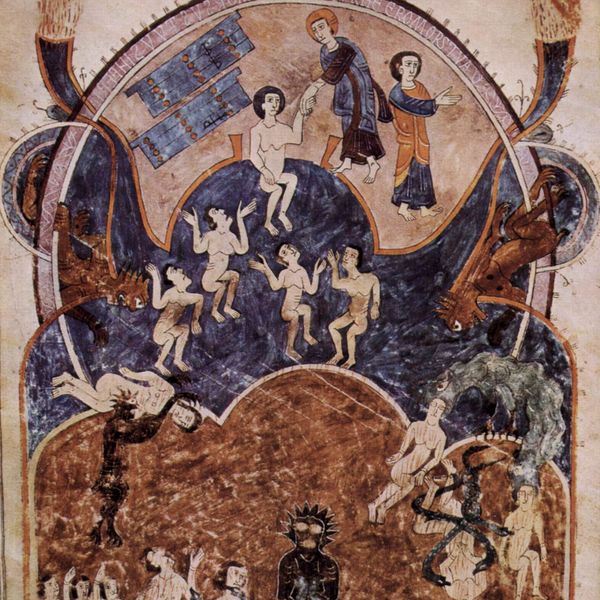
Ende
(s. X)Kingdom of León (modern Spain)
First known woman miniaturist in the West. Signed the miniatures of the Girona Beatus as "Ende pintrix et Dei aiutrix" ("Ende, painter and helper of God").
Work: Girona Beatus (975)
Source: Ende · Public domain · Wikimedia Commons
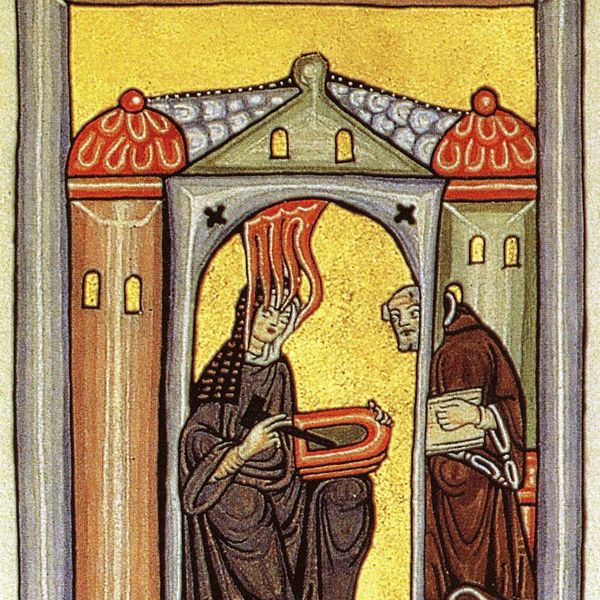
Hildegarda de Bingen
(1098–1179)Holy Roman Empire
Abbess, composer, naturalist and visionary. Supervised the creation of the miniatures illustrating her visions in the Scivias.
Work: Miniatures of the Scivias
Source: Unknown authorUnknown author · Public domain · Wikimedia Commons
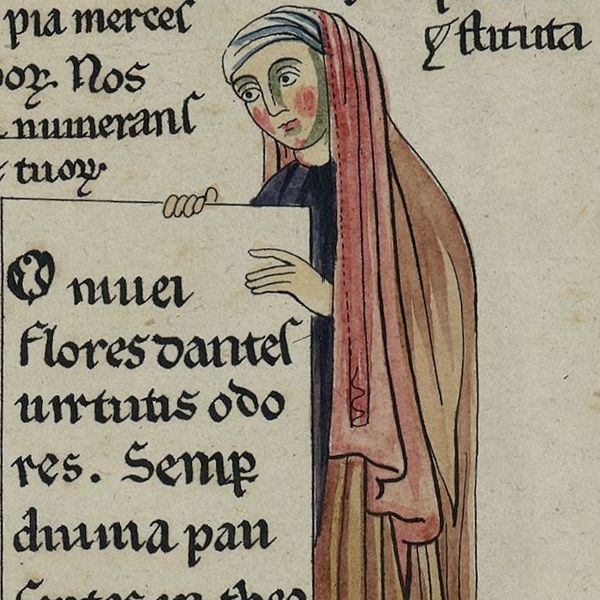
Herrada de Landsberg
(c. 1130–1195)Alsace
Abbess of Hohenburg. Compiled and supervised the illustrations of the Hortus deliciarum, a visual encyclopedia for her nuns.
Work: Hortus deliciarum
Source: After Herrad of Landsberg · Public domain · Wikimedia Commons
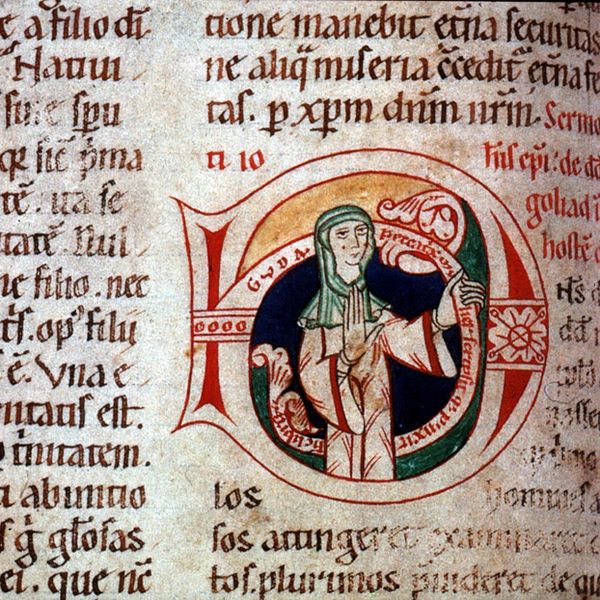
Guda
(s. XII)Germany
Nun who portrayed herself in a historiated initial of a homiliary, with the inscription "Guda peccatrix mulier scripsit et pinxit hunc librum".
Work: Historiated initial of the Frankfurt Homiliary
Source: Creator:Guda · Public domain · Wikimedia Commons
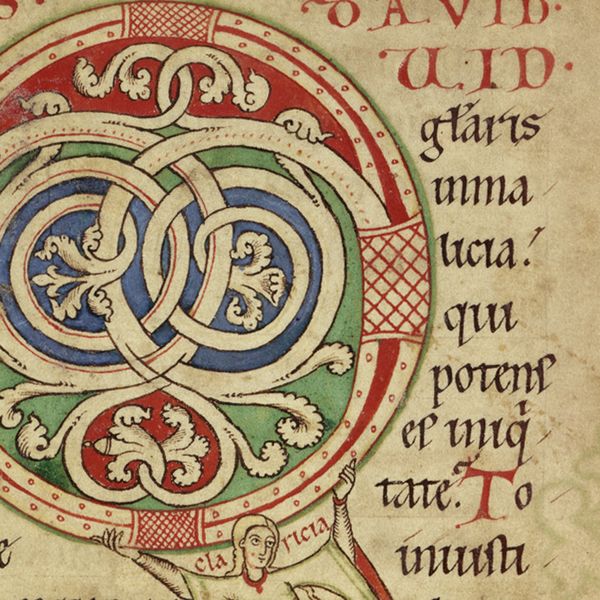
Claricia
(c. 1200)Germany
Illuminator of the Claricia Psalter. Depicted herself swinging from the tail of a letter D, an unusually secular self-portrait for the era.
Work: Claricia Psalter
Source: Anonymous (Germany)Unknown author · Public domain · Wikimedia Commons
_002.jpg)


.jpeg)

With the Renaissance came the first professional women painters with their own workshops, official commissions and international fame. Sofonisba Anguissola and Lavinia Fontana opened a path that many others would follow.
s. XV – s. XVI
Renaissance: women artists of the 15th and 16th centuries
The Renaissance reluctantly opened the doors for the first professional women painters in Europe, almost all daughters of artists who trained them in their workshops.
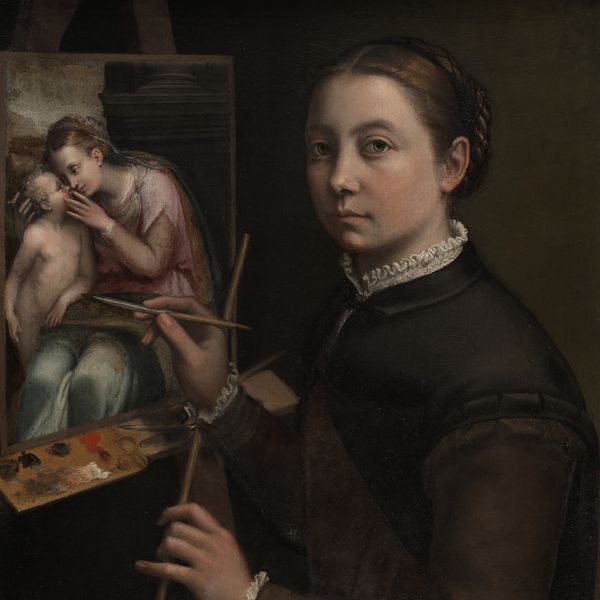
Sofonisba Anguissola
(c. 1532–1625)Cremona, Italy; Madrid
First Renaissance woman painter to achieve international fame. Court portraitist for Philip II of Spain.
Work: The Chess Game (1555)
Source: Sofonisba Anguissola · Public domain · Wikimedia Commons
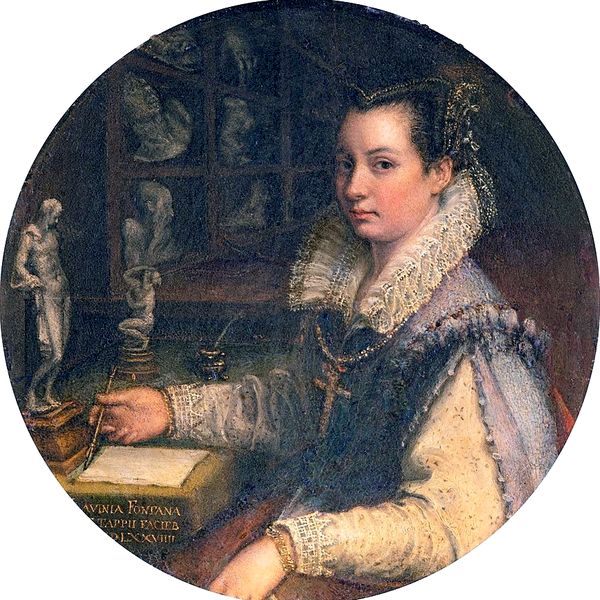
Lavinia Fontana
(1552–1614)Bologna, Rome
First woman to paint public altarpieces and female nudes in Italy. Supported her family with her painting.
Work: Minerva Dressing (1613)
Source: Lavinia Fontana · Public domain · Wikimedia Commons
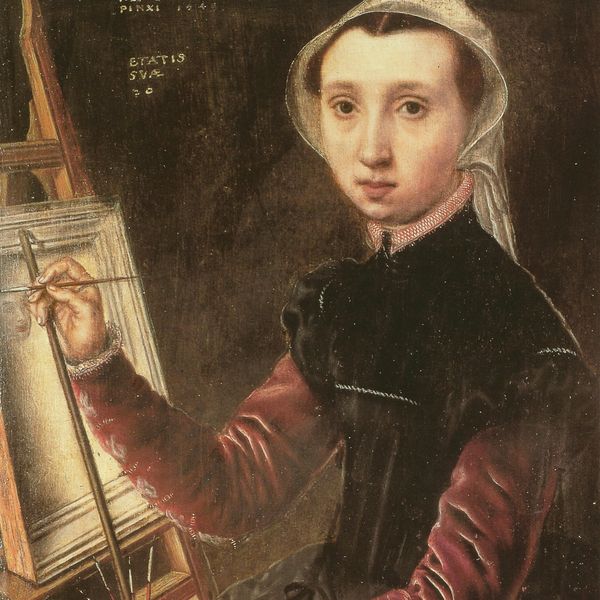
Catharina van Hemessen
(1528–c. 1588)Antwerp
Author of the first known self-portrait of any artist (male or female) at an easel.
Work: Self-Portrait (1548)
Source: Catarina van Hemessen · Public domain · Wikimedia Commons
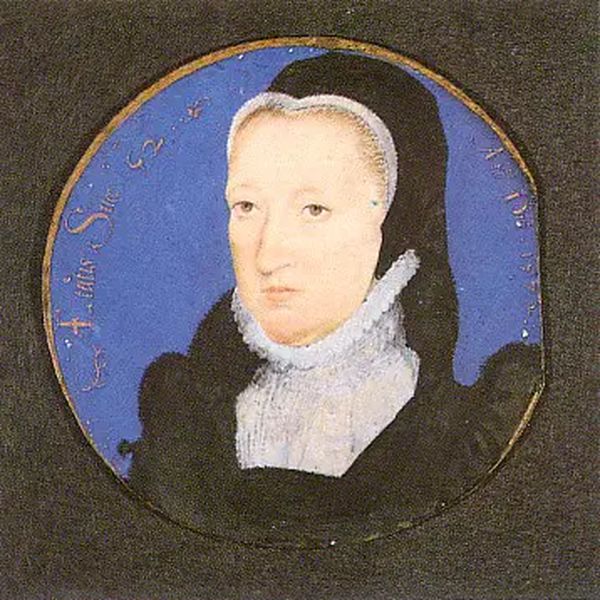
Levina Teerlinc
(c. 1510–1576)Bruges; English court
Miniaturist at the courts of Henry VIII, Edward VI, Mary I and Elizabeth I. Better paid than Hans Holbein.
Work: Miniature of the young Elizabeth I
Source: Nicholas Hilliard · Public domain · Wikimedia Commons
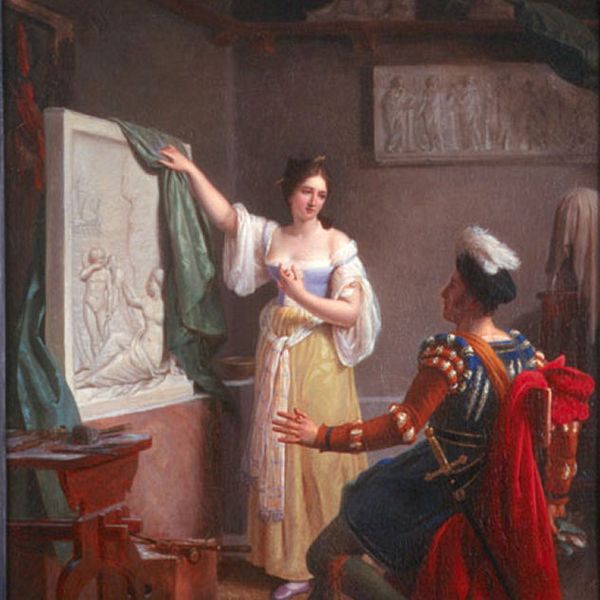
Properzia de' Rossi
(c. 1490–1530)Bologna
The only woman sculptor included by Vasari in his Lives. Carved marble reliefs for the Basilica of San Petronio.
Work: Joseph and Potiphar's Wife (relief, c. 1525)
Source: Louis Ducis · Public domain · Wikimedia Commons

.png)


.jpg)
The Baroque brought a generation of women painters who mastered staging, dramatic light and large-scale formats. Artemisia Gentileschi became the first woman admitted to the Accademia delle Arti del Disegno in Florence.
s. XVII
Baroque: women artists of the 17th century
The 17th century brought the first women painters admitted to academies, and masters of still life, portrait and history painting.
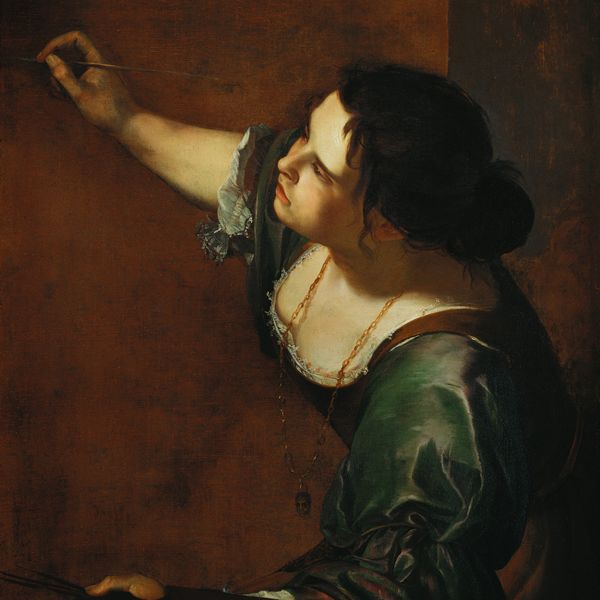
Artemisia Gentileschi
(1593–c. 1656)Rome, Florence, Naples
First woman admitted to the Accademia delle Arti del Disegno in Florence. Her history paintings have a dramatic force that made her a Baroque reference.
Work: Judith Slaying Holofernes (c. 1620)
Source: Artemisia Gentileschi · Public domain · Wikimedia Commons
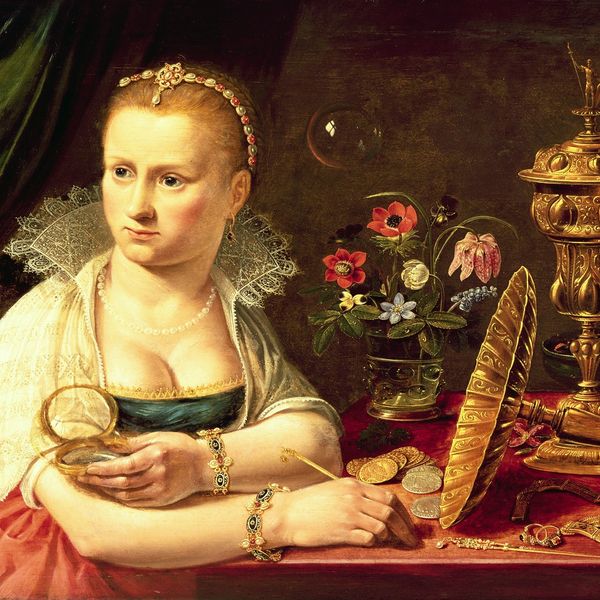
Clara Peeters
(c. 1594–c. 1657)Antwerp
Pioneer of Flemish still life. Often included her self-portrait reflected in the metal cups she painted.
Work: Still Life with Cheeses, Almonds and Pretzels (c. 1615)
Source: Clara Peeters · Public domain · Wikimedia Commons
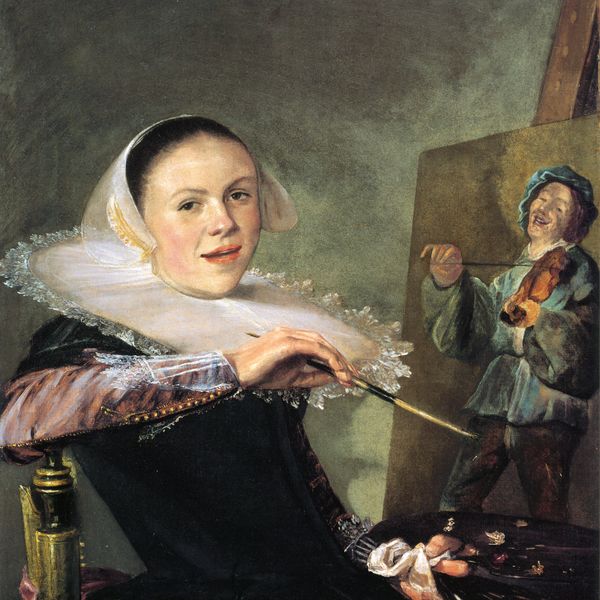
Judith Leyster
(1609–1660)Haarlem, Netherlands
First woman admitted as a master in the Haarlem Guild of Saint Luke. Her works were misattributed to Frans Hals for centuries.
Work: Self-Portrait (c. 1633)
Source: Judith Leyster · Public domain · Wikimedia Commons
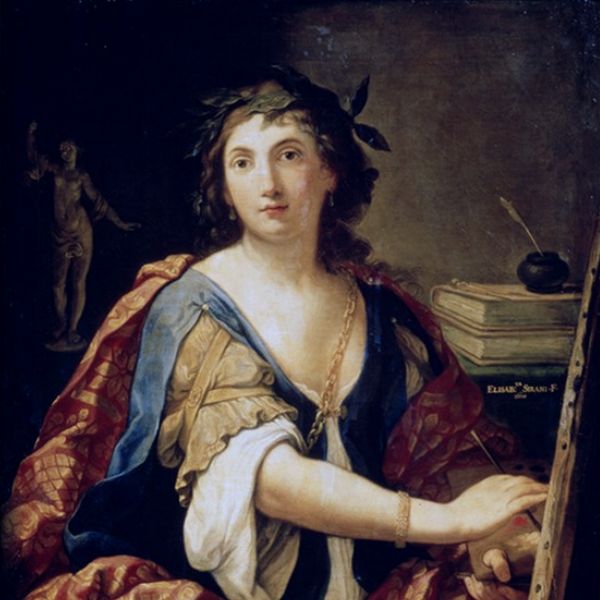
Elisabetta Sirani
(1638–1665)Bologna
Founded a painting academy for women. Painted more than 200 works before dying at age 27.
Work: Portia Wounding Her Thigh (1664)
Source: Elisabetta Sirani · Public domain · Wikimedia Commons
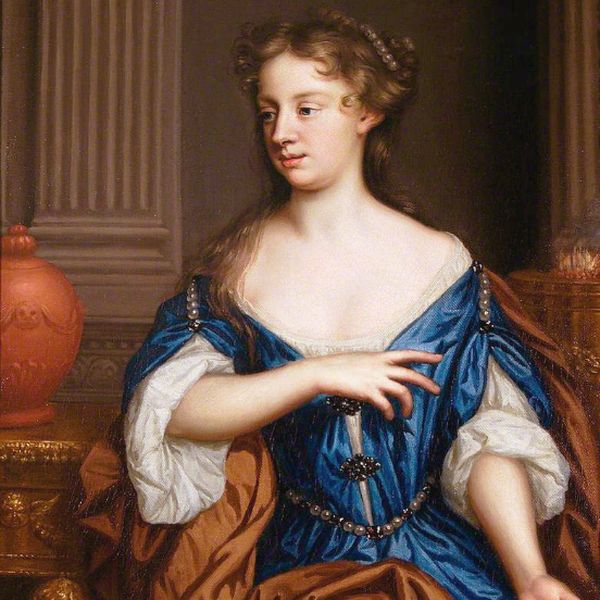
Mary Beale
(1633–1699)England
First professional woman painter in England. Financially supported her family with her portrait workshop.
Work: Self-Portrait (c. 1675)
Source: Mary Beale · CC BY-SA 2.5 · Wikimedia Commons
_-_Artemisia_Gentileschi.jpg)


In the 18th century women managed to enter—in small numbers—the royal academies of Europe. They painted queens, monarchs and aristocrats, and earned a living at courts such as Versailles, Madrid and Saint Petersburg.
s. XVIII
18th century: portraitists of the Enlightenment
The European courts of the 18th century filled with pastel and oil painters who dominated royal and aristocratic portraiture.
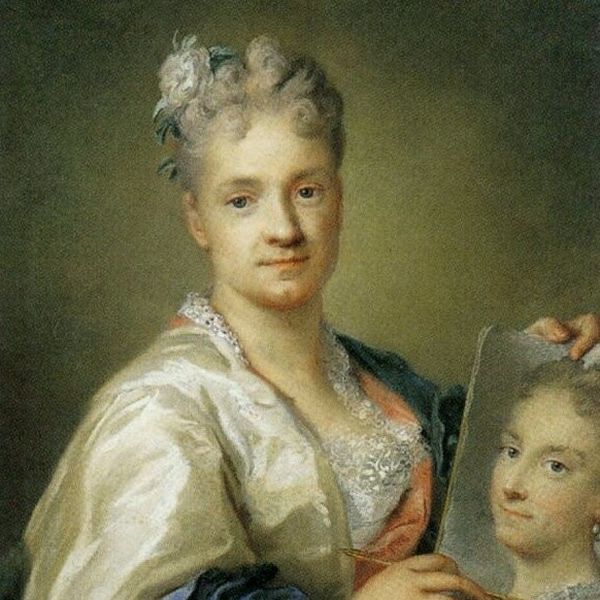
Rosalba Carriera
(1673–1757)Venice, Paris
Renewed the pastel portrait and launched the Rococo fashion in Paris.
Work: Portrait of Louis XV as a Child (1720)
Source: Rosalba Carriera · Public domain · Wikimedia Commons
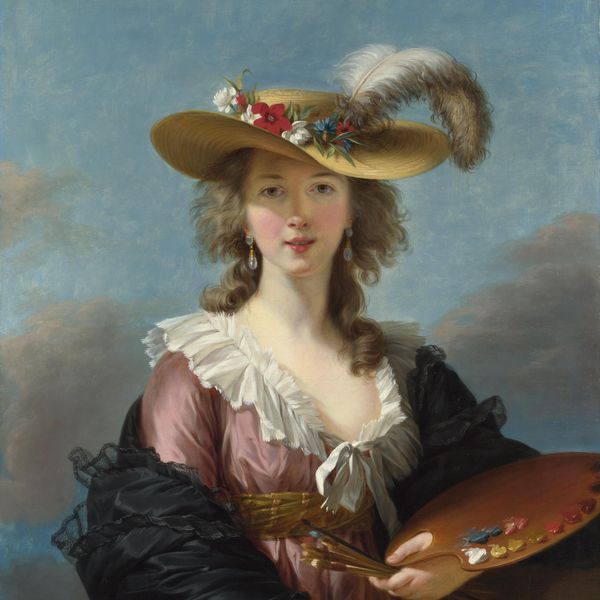
Élisabeth Vigée Le Brun
(1755–1842)France, Italy, Russia
Official portraitist of Marie Antoinette. Member of the Royal Academy of Painting. Painted more than 600 portraits.
Work: Marie Antoinette and Her Children (1787)
Source: Élisabeth Louise Vigée Le Brun · Public domain · Wikimedia Commons
Angelica Kauffman
(1741–1807)Switzerland, England, Italy
Founding member of the Royal Academy in London. Pioneer of Neoclassical painting.
Work: Cornelia, Mother of the Gracchi (1785)
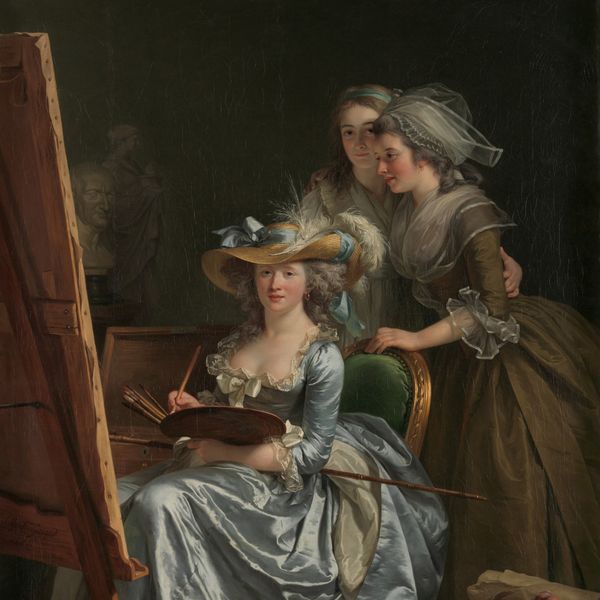
Adélaïde Labille-Guiard
(1749–1803)Paris
Advocated for women's access to the Royal Academy. Portraitist of the aunts of Louis XVI.
Work: Self-Portrait with Two Pupils (1785)
Source: Adélaïde Labille-Guiard · Public domain · Wikimedia Commons
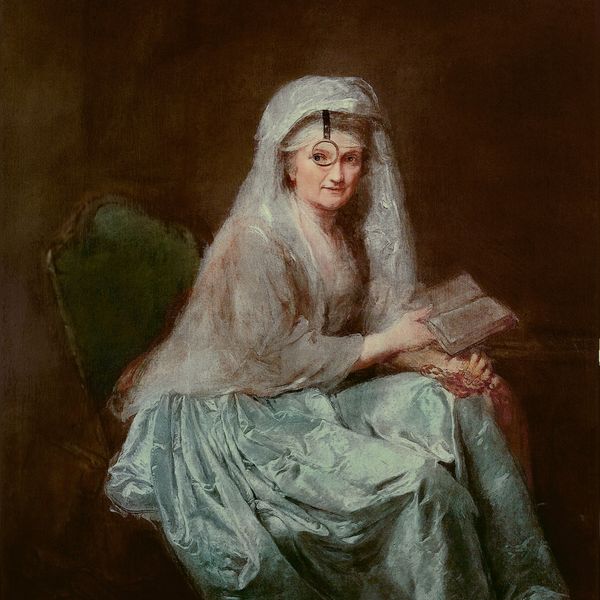
Anna Dorothea Therbusch
(1721–1782)Prussia, France
Returned to painting at 40 after raising her children. Admitted to the Royal Academy in Paris in 1767.
Work: Self-Portrait with Monocle (c. 1782)
Source: Anna Dorothea Therbusch · Public domain · Wikimedia Commons


Want to discover works by these artists near you?
Download Museas and open the feminist cultural map on your phone.
The 19th century saw the birth of Impressionism and the modern movements, where women like Berthe Morisot and Mary Cassatt were founding members, not exceptions. Even so, they were still barred from life-drawing classes at official academies.
s. XIX
19th century: from Impressionism to social realism
Women of the 19th century fought to enter the academies and invented their own circuits: salons, workshops, independent exhibitions.
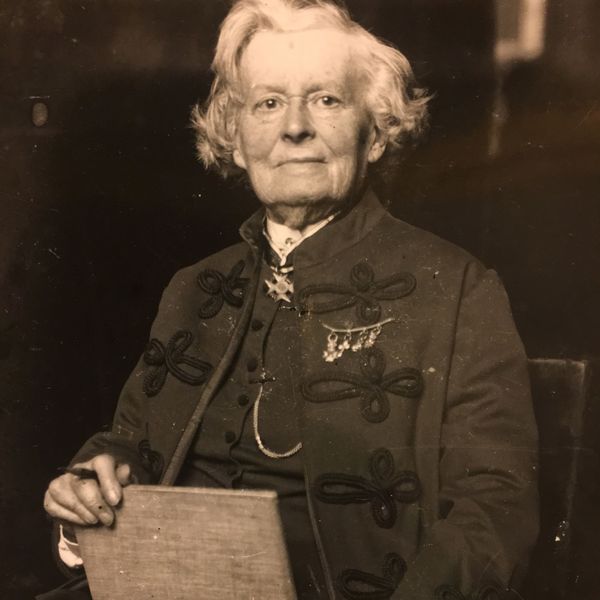
Rosa Bonheur
(1822–1899)France
First woman awarded the Legion of Honor for her artistic work. Renowned animal painter in Europe and the United States.
Work: The Horse Fair (1855)
Source: Musée Rosa Bonheur · Public domain · Wikimedia Commons
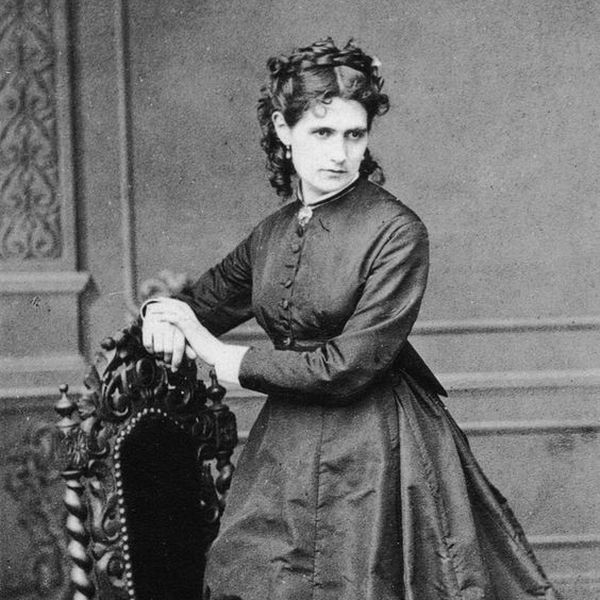
Berthe Morisot
(1841–1895)Paris
Founding member of the Impressionist movement. Took part in 7 of the group's 8 exhibitions.
Work: The Cradle (1872)
Source: Unknown authorUnknown author · Public domain · Wikimedia Commons
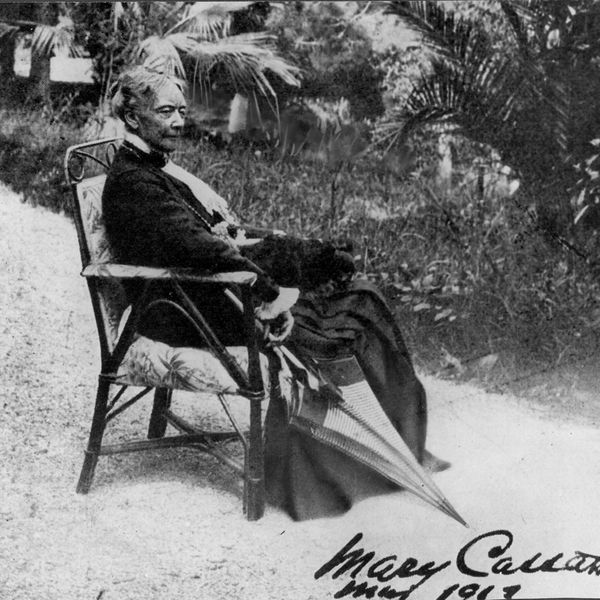
Mary Cassatt
(1844–1926)USA, Paris
American Impressionist. Painted the intimate life of women and children with a modern eye.
Work: The Child's Bath (1893)
Source: Durand-Ruel · Public domain · Wikimedia Commons
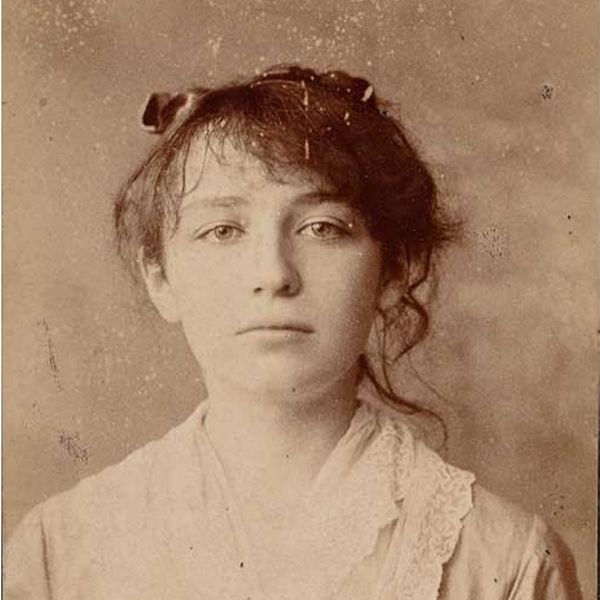
Camille Claudel
(1864–1943)France
Sculptor whose work was overshadowed by Rodin and by her forced internment for 30 years.
Work: The Mature Age (1899)
Source: César · Public domain · Wikimedia Commons
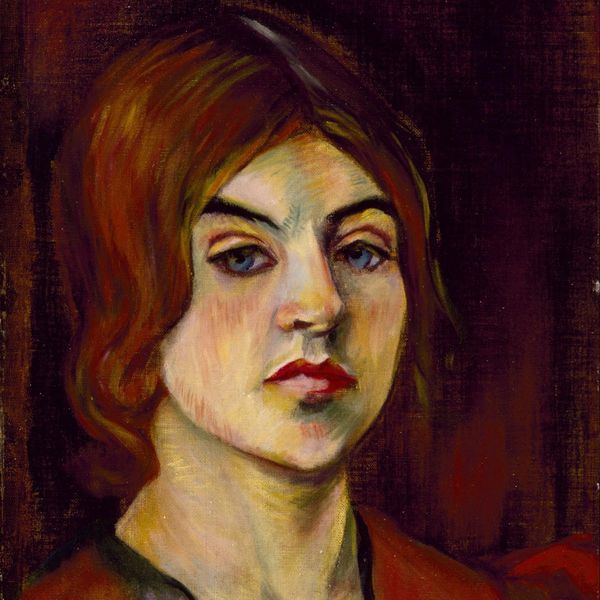
Suzanne Valadon
(1865–1938)Montmartre, Paris
First woman admitted to the Société Nationale des Beaux-Arts. Painted female nudes from her own perspective.
Work: The Blue Room (1923)
Source: Suzanne Valadon · Public domain · Wikimedia Commons


The 20th-century avant-gardes—Cubism, abstraction, Surrealism, Dada—included women at their creative core from day one. Hilma af Klint painted the first known abstract works in 1906, years before Kandinsky.
1900–1945
Avant-gardes: women artists of the early 20th century
Cubism, abstraction, Surrealism, Expressionism. The avant-gardes would be unthinkable without these creators.
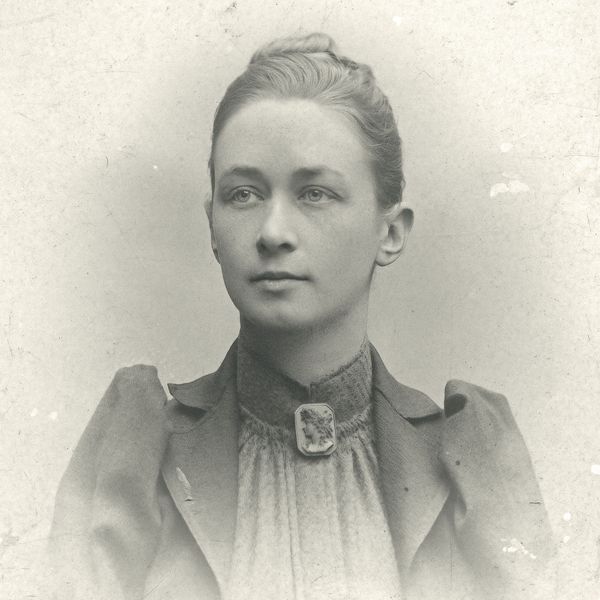
Hilma af Klint
(1862–1944)Sweden
Painted the first known abstract works, years before Kandinsky. Asked for her work not to be shown until 20 years after her death.
Work: The Paintings for the Temple (1906–1915)
Source: According to Moderna Museet the photographer is unknown · Public domain · Wikimedia Commons
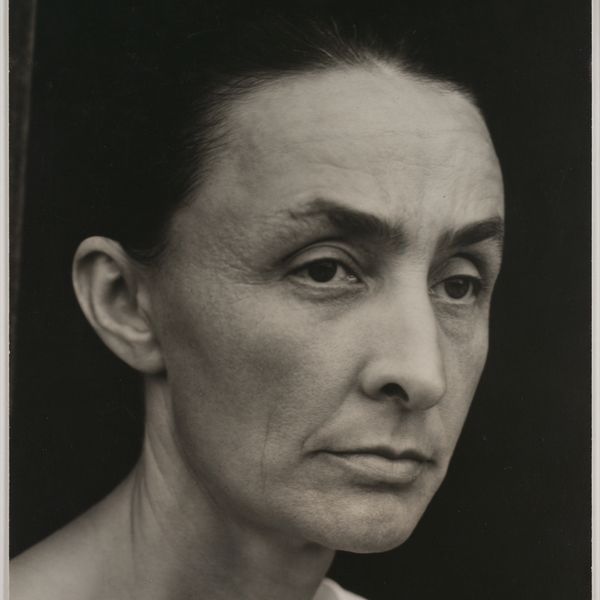
Georgia O'Keeffe
(1887–1986)United States
Mother of American modernism. Her flowers and desert landscapes redefined figurative abstraction.
Work: Black Iris (1926)
Source: Alfred Stieglitz · CC0 · Wikimedia Commons
Tamara de Lempicka
(1898–1980)Poland, Paris, USA
Art Deco icon. Her portraits defined the visual elegance of the 1920s and 30s.
Work: Self-Portrait in the Green Bugatti (1929)
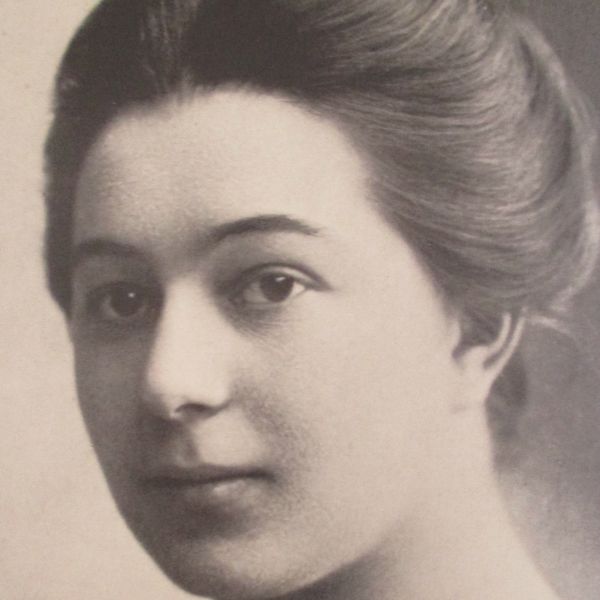
Sonia Delaunay
(1885–1979)Ukraine, Paris
Co-founder of Orphism. Brought abstraction to textile design, fashion and everyday objects.
Work: Electric Prisms (1914)
Source: AnonymousUnknown author · Public domain · Wikimedia Commons
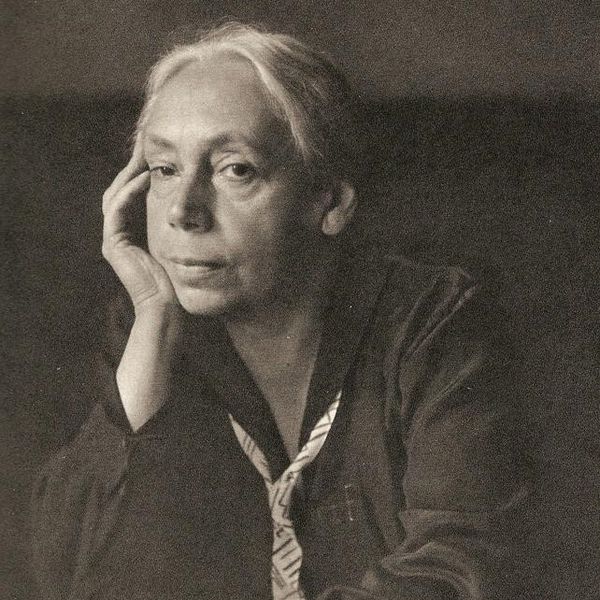
Käthe Kollwitz
(1867–1945)Germany
Expressionist printmaker and sculptor. Her work portrayed the suffering of the working class, hunger and war.
Work: Mother with Dead Son (1903)
Source: Hugo Erfurth · Public domain · Wikimedia Commons


Mexico moved through the 20th century with a generation of women artists who combined painting, Indigenous identity, politics and inner life. Frida Kahlo and María Izquierdo opened a Mexican canon that keeps growing today.
s. XX (México)
Women artists of 20th-century Mexican art
Mexico was one of the great visual laboratories of the 20th century, and many of its central figures were women.
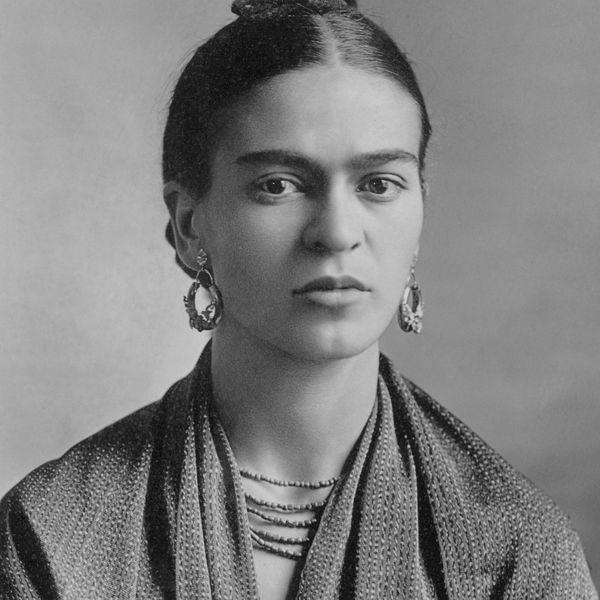
Frida Kahlo
(1907–1954)Coyoacán, Mexico City
Her self-portraits turned pain, the body and identity into a visual language recognized worldwide.
Work: The Two Fridas (1939)
Source: Guillermo Kahlo · Public domain · Wikimedia Commons
María Izquierdo
(1902–1955)Jalisco, Mexico City
First Mexican woman to have a solo exhibition in the United States (1930). Painted altars, circuses and portraits with symbolic force.
Work: My Nieces (1940)
Remedios Varo
(1908–1963)Spain, Mexico
Surrealist painter exiled in Mexico. Her work combines alchemy, science and feminine mysticism.
Work: Embroidering the Earth's Mantle (1961)
Leonora Carrington
(1917–2011)England, Mexico
British-Mexican Surrealist. Her painting and sculpture weave Celtic mythology, feminism and magic.
Work: The Magical World of the Mayans (1963)
Olga Costa
(1913–1993)Guanajuato
German-Mexican painter. Co-founder of the Salón de la Plástica Mexicana. Master of modern still life.
Work: The Fruit Seller (1951)

After the Second World War, women became central to Abstract Expressionism, Minimalism, conceptual art and performance. Louise Bourgeois, Eva Hesse and Yayoi Kusama redefined what counts as sculpture.
1945–1980
Postwar: women of Abstract Expressionism and beyond
After World War II, New York became the center of the art world and many women redefined sculpture, painting and installation.
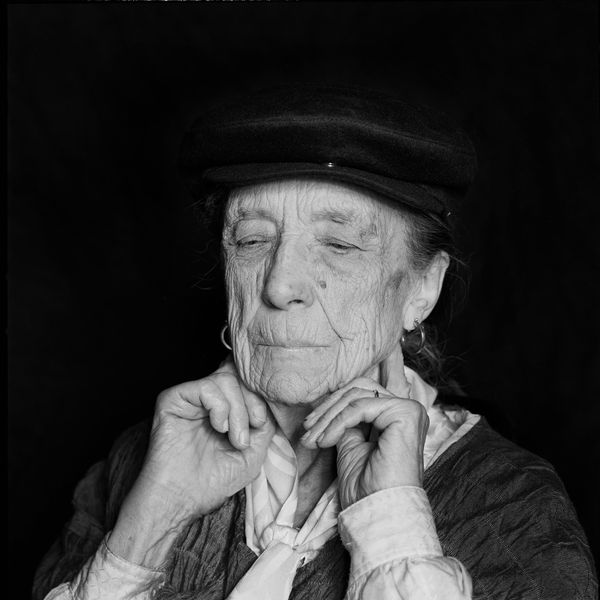
Louise Bourgeois
(1911–2010)France, USA
Sculptor whose work explored memory, childhood, sexuality and motherhood over seven decades.
Work: Maman (1999)
Source: Wikimedia Commons · CC BY-SA 4.0 · Wikimedia Commons
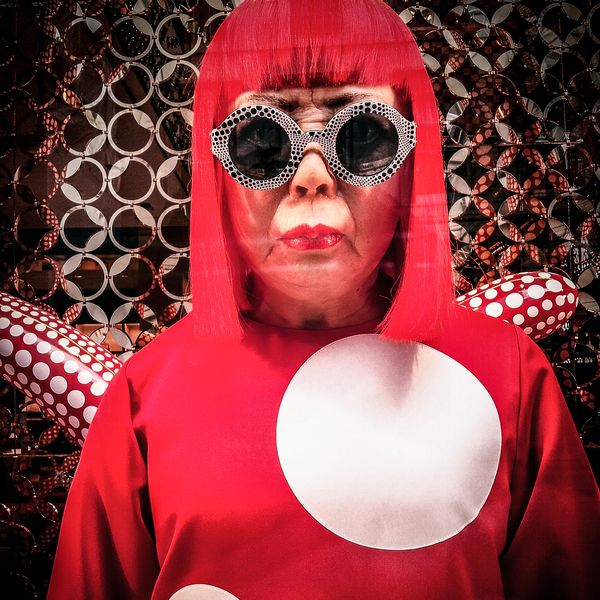
Yayoi Kusama
(1929–)Japan
Pioneer of installation art and infinity rooms. Her dots and pumpkins form a globally recognized language.
Work: Infinity Mirror Rooms (from 1965)
Source: Garry Knight · CC BY 2.0 · Wikimedia Commons
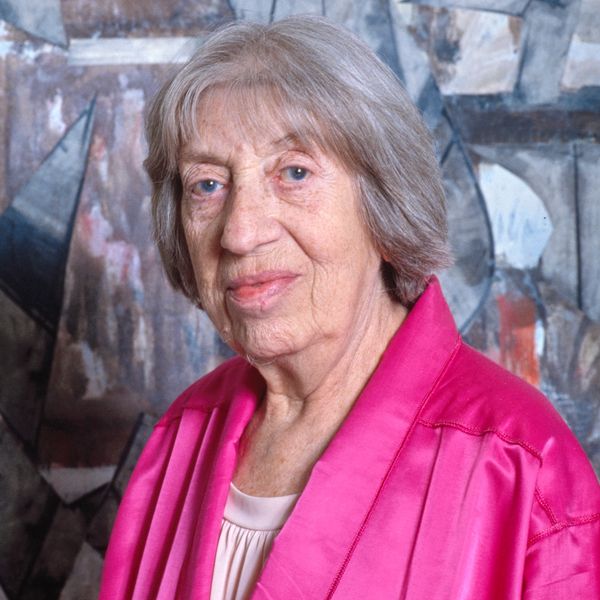
Lee Krasner
(1908–1984)New York
Central figure of Abstract Expressionism. Her work was overshadowed by the fame of her husband, Jackson Pollock.
Work: The Seasons (1957)
Source: Gotfryd, Bernard, photographer · Public domain · Wikimedia Commons
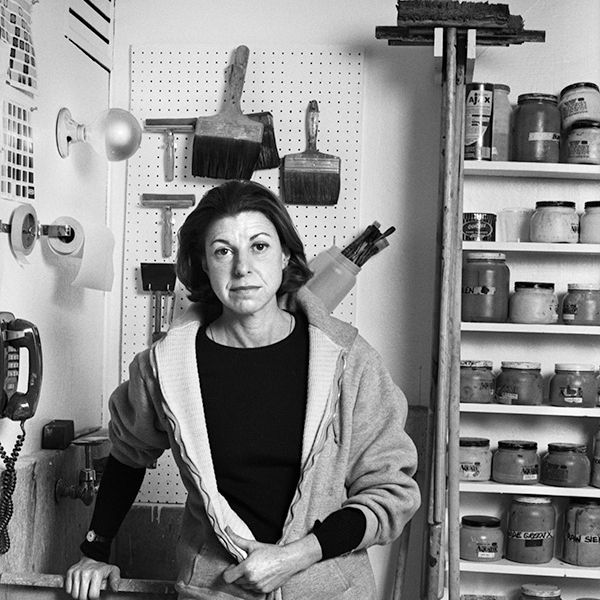
Helen Frankenthaler
(1928–2011)New York
Invented the soak-stain technique. Decisively influenced color field abstraction in the 1960s.
Work: Mountains and Sea (1952)
Source: LynnGilbert5 · CC BY-SA 4.0 · Wikimedia Commons
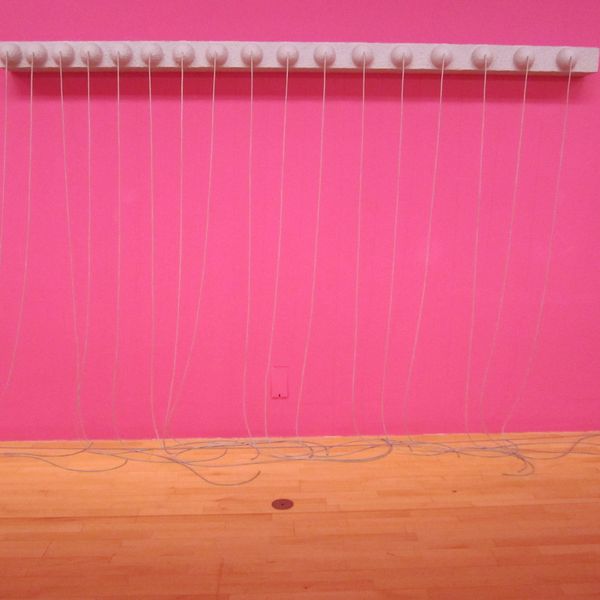
Eva Hesse
(1936–1970)Germany, USA
Pioneer of Post-Minimalism. Worked with latex, fiberglass and rope to create fragile, corporeal sculptures.
Work: Hang Up (1966)
Source: Rept0n1x · CC BY-SA 3.0 · Wikimedia Commons


Between 1980 and 2000, feminist art became an explicit force: the body, care, gender and violence entered the museum through artists who no longer asked for permission. Cindy Sherman, Marina Abramović and Kara Walker turned the body into a political archive.
1980–2000
Women in late-20th-century contemporary art
Photography, performance, painting and video converged in a generation of women who questioned the body, identity and the gaze.
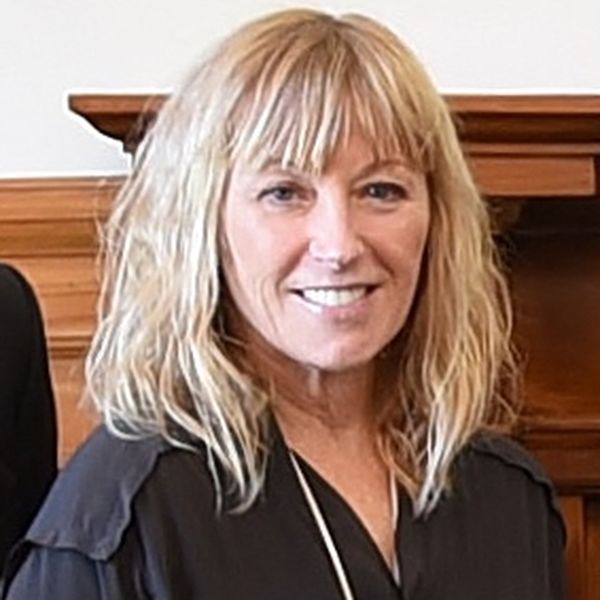
Cindy Sherman
(1954–)USA
Photographer who portrays herself transformed into hundreds of characters. Questions female stereotypes from film and advertising.
Work: Untitled Film Stills (1977–1980)
Source: New Zealand Government, Office of the Governor-General · CC BY 4.0 · Wikimedia Commons

Marina Abramović
(1946–)Serbia
Pioneer of performance art. Pushed the artist's body to the limit as material and message.
Work: The Artist Is Present (2010)
Source: Raph_PH · CC BY 2.0 · Wikimedia Commons
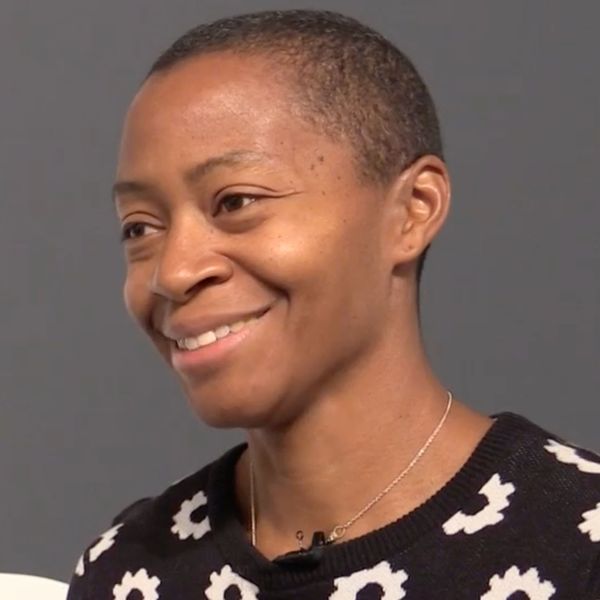
Kara Walker
(1969–)USA
Her life-size silhouettes confront the history of slavery and racial violence in the United States.
Work: A Subtlety (2014)
Source: studio international · CC BY-SA 3.0 · Wikimedia Commons
Jenny Saville
(1970–)United Kingdom
Figurative painter who renewed the female nude with monumental, fleshly bodies.
Work: Propped (1992)
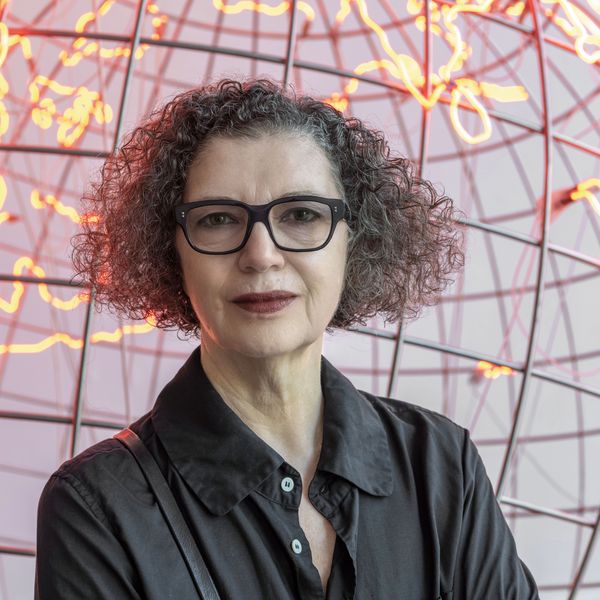
Mona Hatoum
(1952–)Lebanon, United Kingdom
Palestinian-Lebanese artist whose installations and performances address exile, surveillance and political violence.
Work: Corps étranger (1994)
Source: Miguel Lorenzo · CC BY-SA 4.0 · Wikimedia Commons
.jpg)
_(53838092455)_(cropped).jpg)
.jpg)

The 21st century brings living women artists working in performance, installation, video, conceptual art and community practices. In Mexico, a whole generation—Teresa Margolles, Mónica Mayer, Betsabeé Romero, Minerva Cuevas—makes violence, memory and the body the matter of their work.
2000–hoy
21st century: living Mexican and Latin American women artists
The present of art made by women is being written right now, on walls, sculptures and living archives. These are some voices defining the moment from Mexico and Latin America.

Teresa Margolles
(1963–)Sinaloa, Mexico
Her work uses materials and remains of violence to make visible the victims of femicide and the drug war in Mexico.
Work: What Else Could We Talk About? (Venice Biennale, 2009)
Source: NotimexTV · CC BY 3.0 · Wikimedia Commons

Mónica Mayer
(1954–)Mexico City
Pioneer of feminist art in Mexico. Co-founder of the Polvo de Gallina Negra collective. Her tendedero is a living archive of gender violence.
Work: The Clothesline / El Tendedero (since 1978)
Source: ProtoplasmaKid · CC BY-SA 4.0 · Wikimedia Commons

Betsabeé Romero
(1963–)Mexico City
Works with cars, tires and popular objects to address migration, the border and Mexican memory.
Work: Ayate Car (1997)
Source: Milton Martínez / Secretaría de Cultura CDMX · CC BY-SA 2.0 · Wikimedia Commons
Tania Candiani
(1974–)Mexico City
Interdisciplinary artist connecting language, sound, traditional crafts and technology.
Work: Five Variations of Phonic Circumstances and a Pause (2012)
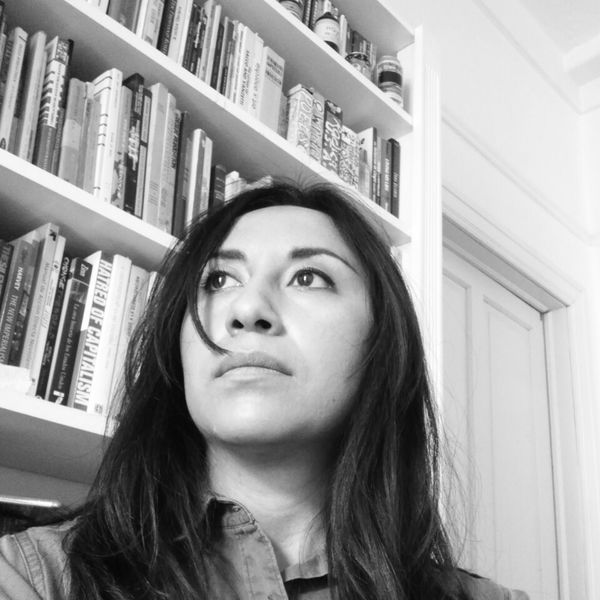
Minerva Cuevas
(1975–)Mexico City
Mexican conceptual artist. Her interventions question capitalism, advertising and corporate power.
Work: Mejor Vida Corp. (since 1998)
Source: Tania Esquivel · CC BY-SA 4.0 · Wikimedia Commons


From the timeline to your city's map
Museas turns this history into something you can explore by walking through your city. Find murals, sculptures and exhibitions by women artists near you.
Frequently asked questions about women artists
Who was the first woman artist in history?
Her name has not survived. The oldest evidence of art made by women are the handprints in Upper Paleolithic cave paintings. A study by archaeologist Dean Snow (2013) of stencils in caves such as El Castillo (Spain) and Pech Merle (France) suggests that about 75% belonged to women. The first woman artist with a documented name is Ende, a nun illuminator who signed the Girona Beatus (975 AD).
How many women artists are there in the world's museums?
According to the National Museum of Women in the Arts, only 13% of works in the permanent collections of the world's major museums are by women artists. In commercial galleries in the US and Europe, women account for less than 11% of works sold. The gap is still huge.
Where can I see art by women in Mexico City?
In Mexico City you can see works by women artists at the Museo Frida Kahlo, the Museo de Arte Moderno, MUAC, Museo Tamayo and Museo de la Mujer, among many others. To discover murals, sculptures and exhibitions by women artists near you in real time, download the Museas app: the feminist cultural map shows works by women in your location.
Why are there so few famous women artists?
It's not that there were few: they were systematically excluded from academies, workshops and the written history of art. Linda Nochlin raised the question in 1971 in her essay "Why Have There Been No Great Women Artists?". The answer is not a lack of talent, but centuries of structures that prevented women from training, exhibiting, selling and being recorded as artists.
Which living Mexican women artists should I know?
Some of the most important living Mexican women artists are Teresa Margolles, Mónica Mayer, Betsabeé Romero, Tania Candiani and Minerva Cuevas. Each works in a different language (installation, performance, sculpture, conceptual art) and all are references for contemporary Latin American feminist art.
How this timeline was built
Each period was documented by cross-checking academic sources (Linda Nochlin, Whitney Chadwick, Griselda Pollock), catalogues raisonnés from museums such as the Museo del Prado, MoMA, Tate Modern, the National Museum of Women in the Arts and university archives. Attributions follow current art-historical consensus; when authorship is disputed, this is stated explicitly.
The portraits come from Wikimedia Commons, all in the public domain or under Creative Commons licenses (CC0, CC-BY, CC-BY-SA). Each image keeps its original attribution. For artists before the 15th century we use self-portraits, signed miniatures or contemporary representations; when no documented image exists, that absence is respected.
This page is updated periodically. If you spot an error or want to suggest an artist, email us at contacto@somosmuseas.com.